


BLOG

Preterm Labor Warning Signs Every Pregnant Woman Should Know (and What’s Actually Normal)
Knowing the difference between "normal pregnancy weird" and "call your provider now" isn't about living in fear — it's the opposite. Here are the 6 preterm labor warning signs every pregnant woman should know, from a labor and delivery nurse and doula.

Most of what your body does during pregnancy is completely normal — even the parts that feel alarming at 2 a.m. The cramping, the pressure, the strange aches, the contractions that come and go. Your body is doing an enormous amount of work, and a lot of it feels strange.
But there is a short list of signs that are worth paying close attention to, especially before 37 weeks. Knowing the difference between “normal pregnancy weird” and “call your provider now” isn’t about living in fear. It’s the opposite. It’s about feeling confident enough to rest easy most of the time — and to act quickly on the rare occasion you actually need to.
As a labor and delivery nurse and doula, the comment I see most often under my videos is some version of the same sentence: “I felt this, but I didn’t want to be dramatic.” So let’s take the guesswork out of it.
What Preterm Labor Actually Is
Labor is considered preterm when it begins before 37 completed weeks of pregnancy (ACOG). The reason this matters so much is timing: when preterm labor is caught early, it can sometimes be slowed or stopped, and even a few extra days of pregnancy can meaningfully support a baby’s lung and brain development (Mayo Clinic).
That is the entire reason this list exists. Not to frighten you — but because timing is one of the few things you have some control over. The sooner preterm labor is identified, the more options your care team has.
The Warning Signs to Know
If you are under 37 weeks pregnant, these are the signs worth paying attention to. They are consistent with the guidance from the American College of Obstetricians and Gynecologists and the March of Dimes.
- Regular contractions A contraction is a tightening across your whole belly that builds and then eases. The key word is regular. Preterm contractions can come on a pattern, and they don’t always hurt — some people describe them as painless tightening. ACOG considers regular or frequent uterine tightening — such as four contractions every 20 minutes or eight in an hour for more than an hour — a warning sign. If you’re counting six or more in an hour and they aren’t easing up, that’s worth a call.
- Pelvic pressure that won’t ease up A heavy, low, pushing-down feeling — as if your baby is pressing into your pelvis. The March of Dimes lists pressure in the pelvis or lower belly, “like your baby is pushing down,” as a key symptom. Pressure that is new, constant, or building over a few hours, especially well before your due date, deserves attention.
- Fluid leaking — any amount, any color A sudden gush or a slow, ongoing trickle of fluid from your vagina. It may be your water breaking, and you should not wait to see if it stops on its own. Both ACOG and Mayo Clinic advise contacting your provider right away.
- Bleeding or a change in discharge Any new vaginal bleeding, or pink, brown, or red spotting. A noticeable change in discharge counts too — particularly if it becomes watery, mucousy, or blood-tinged. ACOG identifies any heavy bleeding in pregnancy as a reason to seek care immediately (ACOG: Bleeding During Pregnancy).
- Low, dull, rhythmic back pain An ache low in your back that comes and goes, distinct from your usual day-to-day pregnancy aches. It often shows up alongside contractions you can’t feel — which is exactly why it’s easy to dismiss. Mayo Clinic includes a dull, low backache among recognized preterm labor symptoms.
- Menstrual-like cramping Cramps that feel like your period, with or without belly tightening. They can be mild. Mild but persistent cramping before 37 weeks is still worth a phone call — menstrual-like cramps are on the Mayo Clinic symptom list as well.
The thread connecting all of these: pattern and persistence. One odd sensation that passes is usually nothing. Something that keeps happening, builds, or won’t ease up is your signal.
What’s Normal — And Usually NOT Preterm Labor
Here’s the part that should bring your shoulders down from your ears. Most of what you feel in pregnancy is your body adapting, not a warning. These are common, expected sensations:
- Braxton Hicks contractions. Practice contractions are irregular, don’t get closer together, and typically ease when you change position, empty your bladder, drink water, and rest — a pattern ACOG describes as “false labor.”
- Round ligament pain. A sharp, quick, stabbing sensation low on one or both sides — usually triggered by standing, rolling over, or sneezing. It’s brief and movement-related, not rhythmic.
- General pelvic heaviness later in pregnancy. Especially after your baby “drops” around 36+ weeks, a feeling of fullness low in your pelvis is expected.
- Increased clear or white discharge. A thin, milky discharge (leukorrhea) tends to increase throughout pregnancy.
- Occasional backaches. General, non-rhythmic soreness that improves with rest, stretching, or a heat pack.
- Strong baby movements. A baby running out of room and kicking hard is reassuring. (A decrease in movement is the thing to report.)
When you can recognize what’s normal, the unusual stuff becomes much easier to spot.
The Honest Rule of Thumb
Rest, hydrate, and empty your bladder, then give it about an hour. Normal pregnancy sensations — including Braxton Hicks — tend to settle when you do. Preterm labor doesn’t.
If contractions, pressure, cramping, or rhythmic back pain are still there after that hour — or getting stronger or closer together — call your provider. For fluid leaking or any bleeding, skip the hour and call right away.
This is general education, not personal medical advice. You know your body and your history best — when something feels off, your provider would always rather hear from you.
You Are Not Overreacting
Getting checked is never an overreaction, and it is never wasted. Triage units exist precisely so you can be evaluated and reassured. Providers — echoed by every major guideline body, including ACOG and the March of Dimes — would far rather see you for something that turns out to be nothing.
You are not being difficult. You are not being dramatic. You are being a parent — and paying attention is exactly your job right now.
So save this. Send it to someone who is pregnant. And if you ever notice these signs before 37 weeks: don’t text first, don’t wait it out, don’t second-guess. Go get checked.
Sources
- American College of Obstetricians and Gynecologists. Preterm Labor and Birth.
- American College of Obstetricians and Gynecologists. How to Tell When Labor Begins.
- American College of Obstetricians and Gynecologists. Bleeding During Pregnancy.
- March of Dimes. Signs and symptoms of preterm labor.
- Mayo Clinic. Preterm labor — Symptoms and causes.
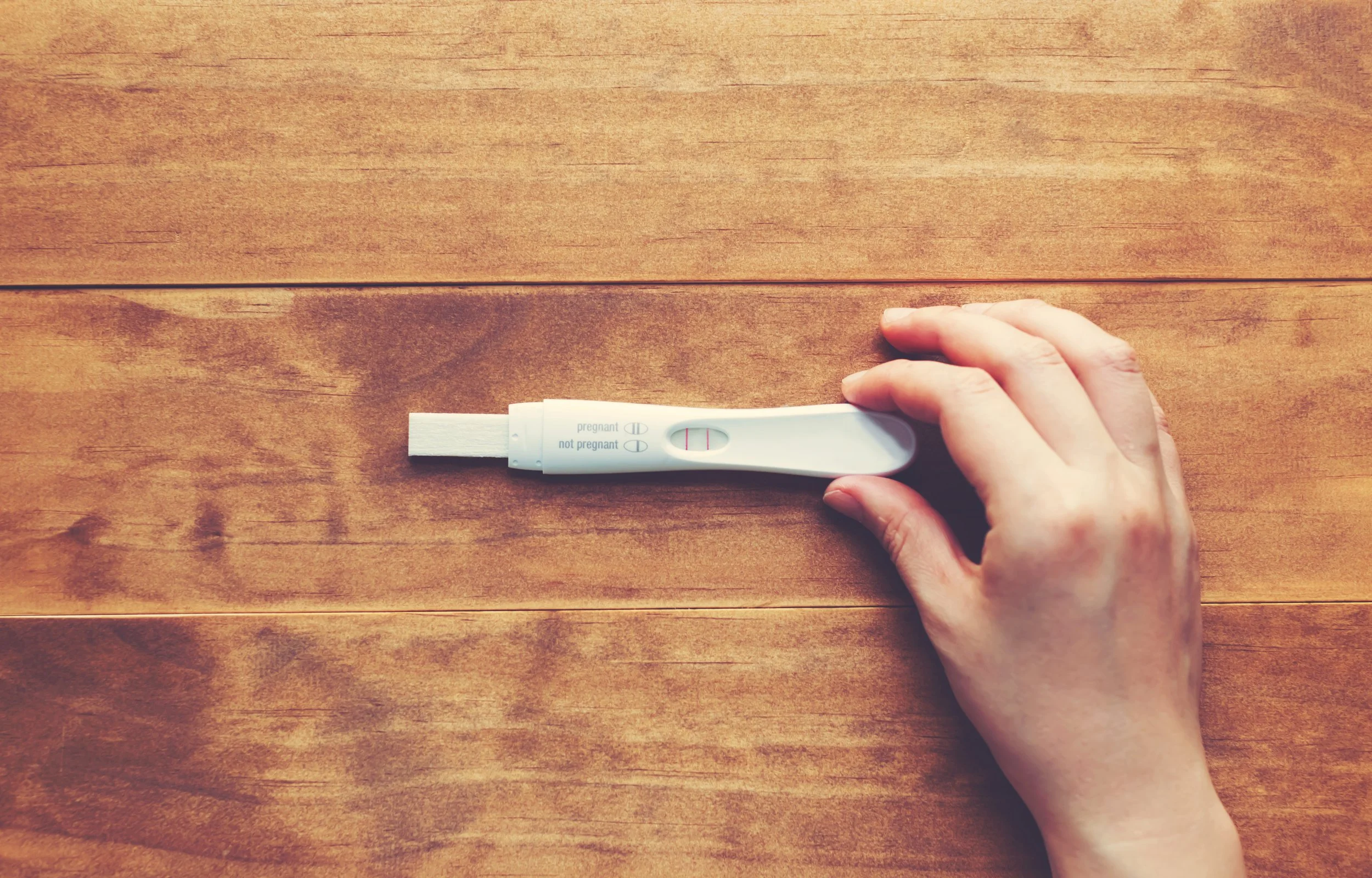
Early Signs of Pregnancy
You've been Googling at 2am. You feel off — but you're not sure if it's in your head or in your uterus. As a Labor & Delivery nurse and practicing doula, I've sat with hundreds of women in those exact in-between moments, and I'm here to tell you: your body usually knows before the test does.
Early pregnancy symptoms can show up as early as 6–10 days after conception — long before a missed period — and they look different for everyone. Some women feel everything at once. Others barely notice a thing. Neither experience is wrong.
Here's what to actually watch for in those first few weeks.
Before the positive test—your body already knows.
So you’re feeling... off? A little nauseous, a little weepy, and suddenly repulsed by your favorite coffee? Before you chalk it up to PMS or a bad takeout order, your body might be trying to tell you something:
“Hey—you’re building a whole human in here.”
Here are the early signs of pregnancy backed by science—and how to actually deal with them.
The First Clues: Common Early Pregnancy Symptoms & How to Cope
1. Fatigue (aka "Nap is now your love language")
Why it happens: Progesterone is working overtime and so is your body—you're building the placenta, increasing blood volume, and doing it all while possibly not even knowing you're pregnant yet.
How to manage:
Rest like it’s your job. Because it kind of is.
Prioritize hydration and protein.
Magnesium lotion + a warm bath = a first trimester power move.
Doula tip: This is not the time to “push through.” Sleep when your body says sleep. Period.
Source: AWHONN – Perinatal Nursing
2. Nausea (but surprise—it’s not just in the morning)
Why it happens: Blame rising hCG levels and your superhero-level sense of smell. Your body’s doing amazing things—and it’s kind of freaking out about it.
How to manage:
Ginger chews, SeaBands, and peppermint oil in your bra (yes, really)
Eat before you’re hungry (an empty stomach makes it worse)
Keep crackers or dry cereal on your nightstand
Doula tip: A spoonful of almond butter before bed can help keep nausea from waking you up at 3 a.m. You're welcome.
Source: ACOG Practice Bulletin No. 189
3. Tender Breasts (aka "Don’t even look at them wrong")
Why it happens: Estrogen + progesterone = breast tissue expansion and blood flow increase. Translation? Sore, heavy, and maybe even tingly boobs.
How to manage:
Ditch the underwire—soft, stretchy bras are your new besties.
Cold compresses can help (frozen peas, meet boobs).
Say yes to body butter—it soothes and supports skin changes too.
Doula tip: You might need to sleep in a bra—and that’s not a crime. Do what feels good.
Source: JOGNN – Hormonal Changes in Early Pregnancy
4. Mood Swings (you laughed, then cried, then rage-cleaned your fridge)
Why it happens: Hormonal shifts affect neurotransmitters. Also, growing a human is a lot.
How to manage:
Journal the chaos—seriously, get it out of your head and onto paper.
Say no more often (emotional bandwidth is a real thing)
Talk to your partner or a support person. Tell them, “It’s not you, it’s hormones.”
Doula tip: You're not dramatic. You're rewiring your brain and body—cut yourself some slack.
Source: March of Dimes – "Hormones and Pregnancy"
5. Missed Period (the one that makes you go “wait a minute...”)
Why it happens: If implantation occurred, your uterus is now too busy building a home for your baby to bother with its regular monthly eviction notice.
How to manage:
Take a pregnancy test (early response tests can detect hCG ~10 days post-ovulation)
Start prenatal vitamins if you haven’t already
Call your provider—early prenatal care is gold
Doula tip: Light spotting isn’t always your period—implantation bleeding is real and common.
Source: Mayo Clinic – Pregnancy Symptoms: What Happens First
Other Possible Early Symptoms
Increased urination
Food cravings or aversions (hello, pickles and peanut butter)
Bloating
Mild cramping
Heightened sense of smell
Remember: You don’t need to have all the symptoms to be pregnant. One is enough. Trust your gut (even if it’s nauseous).
From Your Doula/L&D Nurse
If something feels different… don’t gaslight yourself. You know your body. Your body knows what it’s doing. And even when it feels chaotic, there’s wisdom in it.
When to Call Your Provider
If your period is late and you’re unsure—test and book an appointment.
If you’re experiencing severe pain, heavy bleeding, or dizziness—seek care immediately.
If your gut says something’s up? Call. Always.
References
AWHONN. (2020). Perinatal Nursing (5th Edition)
ACOG Practice Bulletin No. 189 (2018)
JOGNN. Hormonal Changes in Early Pregnancy
Mayo Clinic. Pregnancy Symptoms: What Happens First
March of Dimes. Hormones and Pregnancy
Keep Reading

Doula vs. Midwife: What’s the Difference?
Not sure whether you need a doula or a midwife? While both provide support during pregnancy and birth, their roles are very different. Learn how each one can help you, what to consider when choosing, and which might be the best fit for your birth plan. Read on to make an informed decision about your birth team!
Introduction
Bringing a baby into the world is one of life’s most profound and transformative experiences. As an expecting parent, you deserve to feel supported, empowered, and in control of your birth journey. Whether you choose a doula, a midwife, or both, understanding their unique roles can help you build a birth team that aligns with your vision. Knowledge is power, and when you’re informed, you can make decisions that honor your body, your baby, and your birth preferences.
What is a Doula?
A doula is your unwavering support system throughout pregnancy, labor, and beyond. Doulas are trained professionals who provide emotional, physical, and informational support, ensuring that you feel heard, respected, and confident every step of the way. While they don’t provide medical care, their role is just as crucial—they create a calming presence, remind you of your strength, and offer comfort measures to help you navigate labor with resilience and trust in your body.
How a Doula Supports You
Provides continuous reassurance during labor, offering encouragement when you need it most.
Assists with pain management techniques such as breathing exercises, movement, massage, and visualization.
Helps you understand medical interventions and advocates for your right to make informed choices.
Supports partners, empowering them to be actively involved in the birth process.
Offers postpartum guidance, including breastfeeding support and newborn care.
Types of Doulas
Birth Doulas: Your advocate and support system during labor and delivery.
Postpartum Doulas: Providing care and emotional well-being for you and your baby in the weeks after birth.
Studies show that doulas help reduce the likelihood of medical interventions, shorten labor time, and improve overall birth satisfaction. While they do not replace medical providers, they complement your healthcare team by ensuring your emotional and physical well-being.
✨ Remember: A doula is not there to tell you how to birth but to remind you that your choices matter and that you have the power to shape your birth experience.
To find a certified doula in your area, visit:
What is a Midwife?
A midwife is a highly trained healthcare provider who supports you through pregnancy, labor, and postpartum while also providing medical care and clinical expertise. Midwives believe in the body’s innate ability to birth and offer a holistic, person-centered approach to maternity care. Whether you desire a home birth, birth center experience, or hospital delivery, a midwife can help you navigate your options with confidence and empowerment.
How a Midwife Supports You
Monitors you and your baby’s health throughout pregnancy.
Offers hands-on support during labor, helping you achieve a safe and empowering birth.
Can provide medical care, such as monitoring fetal heart tones, conducting exams, and delivering your baby.
Advocates for low-intervention, natural birth when appropriate while also being trained to handle complications.
Provides postpartum care, ensuring both you and your baby are thriving.
Types of Midwives: CPM vs. CNM
Understanding the different types of midwives can help you choose the right one for your birth experience.
Certified Professional Midwife (CPM)
Specializes in home births and birth center care.
Certification is obtained through the North American Registry of Midwives (NARM).
Focuses on physiological birth, holistic prenatal care, and personalized support.
Certified Nurse-Midwife (CNM)
A registered nurse (RN) with advanced midwifery training.
Licensed to practice in hospitals, birth centers, and some home birth settings.
Can prescribe medications, provide medical interventions, and manage higher-risk pregnancies.
To find a certified midwife in your area, visit:
American College of Nurse-Midwives (ACNM) Directory
National Association of Certified Professional Midwives (NACPM)
Doula vs. Midwife: What’s the Difference?
Both doulas and midwives are powerful allies in your birth journey, but they serve different roles.
Medical care - Doula: no. Midwife: yes.
Emotional and physical support - Doula: yes. Midwife: yes.
Delivers babies - Doula: no. Midwife: yes.
Pain management support - Doula: yes. Midwife: yes, including medical options.
Works in hospitals - Doula: sometimes. Midwife: yes.
Works at home births - Doula: yes. Midwife: yes, varies by certification.
Postpartum support - Doula: yes. Midwife: yes, for medical needs.
Advocates for your birth preferences - Doula: yes. Midwife: yes.
Which One is Right for You?
The answer is both—if that aligns with your birth vision. Each plays a unique and crucial role in ensuring your experience is safe, supported, and empowering:
If you want a medical care provider who also respects physiological birth, a midwife is your guide.
If you want emotional support and advocacy to feel fully seen and heard, a doula is your champion.
If you want both medical expertise and emotional/physical guidance, having both a midwife and a doula creates the ultimate birth team.
✨ No matter what, YOU are in charge of your birth. Your voice matters. Your choices are valid. You are strong.
Conclusion
Birth is not just about bringing a baby into the world—it’s about bringing a parent into the world too. You deserve a team that uplifts you, respects your choices, and honors your birth experience. Whether you choose a doula, a midwife, or both, trust that you have the wisdom, the power, and the support to birth on your terms.
If you're ready to build a birth team that aligns with your vision, explore your local doula networks, midwifery groups, and birth professionals today. You deserve a birth experience that makes you feel strong, safe, and celebrated. 💜.
Keep Reading

Hospital Births VS. Home Birth: Pros, Cons & How to Choose
Trying to decide between a hospital or home birth? Each option has its pros and cons, from medical support to comfort and control. Learn the key differences, what to consider for safety, and how to choose the best birth setting for you. Read on for expert insights from a labor nurse & doula!
When it comes to giving birth, there is no one-size-fits-all approach. Every pregnancy, every birth, and every family is unique, which is why choosing the right birthing environment is such a personal decision. The two primary options—hospital birth and home birth—each come with their own benefits and considerations. By understanding the benefits of each option, you can confidently choose the birth setting that best supports your vision for a safe and fulfilling experience.
Hospital Birth: A Supportive and Prepared Environment
Hospitals are the most common birth setting in many countries, providing access to medical interventions and emergency care if needed. However, not all hospital births are the same. The level of intervention and care you receive can vary depending on whether you are working with a midwife, an OB-GYN, or a family doctor. Additionally, the type of hospital—whether it’s a large teaching hospital, a community hospital, or a specialized birth center—can impact your experience. Some hospitals prioritize low-intervention births, while others have higher rates of medical interventions due to the needs of higher acuity patients. Understanding these differences can help you choose a hospital that aligns with your birth preferences. You can explore hospital options near you by visiting American Hospital Directory or checking with your local health department.
Benefits:
Access to Medical Support – Hospitals are equipped with obstetricians, nurses, and anesthesiologists who can step in if complications arise.
Pain Management Options – Epidurals and other pain relief methods are readily available.
Immediate Newborn Care – Neonatal specialists are on hand for any unexpected complications.
Safety Net for High-Risk Pregnancies – If you have a medical condition or are carrying multiples, a hospital may be the safest option.
Considerations:
More Medical Interventions – Hospitals have higher rates of interventions like inductions, IV fluids, and C-sections.
Less Control Over Environment – Policies and hospital routines may limit movement, food intake, and labor positions.
Risk of Unnecessary Interventions – Some birthing people may feel pressured into interventions they weren’t initially planning on.
Additionally, some hospitals offer options like water births and walking epidurals, while others do not. These variations can significantly impact your comfort, mobility, and overall birth experience. Water births can provide a more soothing and natural pain relief method, while walking epidurals allow for greater movement during labor, helping with positioning and progress. Checking what options are available at your chosen hospital can help you align your birth plan with your preferences.
Home Birth: A Comfortable and Personalized Experience
Home births are becoming more popular, especially among those seeking a more natural and familiar environment for labor and delivery. Here’s what to consider when exploring home birth options. If you're interested in finding a certified midwife in your area, you can visit Midwife.org or National Association of Certified Professional Midwives.
Benefits:
Comfort of Home – You can labor in your own space, surrounded by familiar comforts and loved ones.
More Autonomy – You have control over your birth plan, including movement, lighting, and pain relief methods.
Lower Intervention Rates – Home births typically involve fewer medical interventions unless absolutely necessary.
Continuous Care – Midwives often provide more personalized and continuous support throughout labor and postpartum.
Considerations:
Emergency Transfers – If complications arise, a transfer to a hospital may be necessary, which could add stress and time.
Limited Pain Management – Epidurals and certain medications are not an option at home.
Not for High-Risk Pregnancies – Those with certain medical conditions such as gestational diabetes or gestational hypertension may not be good candidates for home birth.
Choosing the Right Birth Setting: Empowering Your Birth Journey
The best birth setting is the one where you feel safest and most supported. Some key factors to consider include:
Your health and pregnancy risk level
Your comfort with medical interventions
Your pain management preferences
Your access to trained birth professionals
Your proximity to a hospital in case of emergency
For some, a birth center might provide the perfect middle ground—offering a home-like setting with access to medical care if needed.
Your birth experience is uniquely yours, and you have the power to make informed choices that align with your values and preferences. Consulting with a midwife, obstetrician, or doula can provide the guidance and reassurance you need to feel fully prepared and confident in your decision. Many resources are available to help you find trusted professionals, such as DONA International for doulas and Midwives Alliance of North America for midwifery care. No matter where you choose to give birth, feeling informed and empowered is key to a positive experience. Birth is a transformative experience, and where you choose to have your baby should align with your values, health, and vision for the experience.